
The 17-Second Rule: Why Doing Nothing Can Help Your Child Do More
The 17-Second Rule: Why Doing Nothing Can Help Your Child Do More
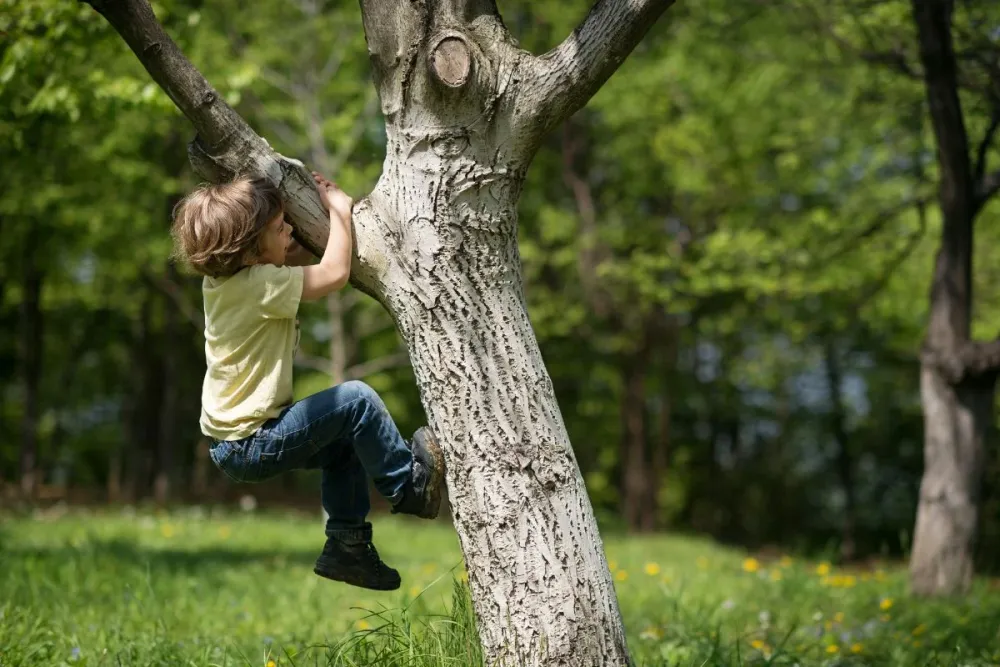
When I’m out coaching, one of the most powerful things I can do is... nothing.
Well, not nothing — but stepping back, observing, and giving children the space to figure things out is often far more effective than stepping in.
It reminds me of a brilliant coaching concept I learned from Edward Coughlan, a skill acquisition expert. He calls it the "Three No’s": When coaching or observing as a parent and your child does something incorrectly in learning a new skill, say 'no' to yourself, and don't step in to correct. If they repeat it, say 'no' again and stand back. Third time say 'no' but instead ask a question like “How did that feel?” or “Would you change anything?”
These questions encourage reflection over correction, helping kids take ownership of their learning. These leads nicely to the 17 second rule.
So What Is the 17-Second Rule?
The 17-second rule comes from early years education and play research. It encourages adults to wait 17 seconds before stepping in when a child is struggling or working through something.
This short pause gives them space to:
-
Solve problems
-
Self-regulate
-
Persist through challenge
-
Experience success on their own
Research by Dr. Marjory Ebbeck and Dr. Sue Robson shows that children who are given even 17–20 seconds of uninterrupted play are more likely to engage in focused attention, creative thinking, and self-directed learning.
What About Risky Play?
Should you jump in when there’s risk involved?
My honest answer — not unless they’re in real danger.
I recently posted a video of my son Conlan, who’s not yet two, climbing the steps of his little slide and bravely jumping into his paddle pool. I was tempted to guide him, but I chose to step back and let him explore.
Soon, he was climbing to the top and jumping in completely by himself.
He didn’t hurt himself, but he did learn how to fall, how to land, and how to try again.
You can watch the video HERE
Final Thought
As adults, we often feel the need to step in, help, or correct — but some of the most valuable learning comes when we do the opposite.
So next time your child hesitates, struggles, or makes a mistake...
Count to 17.
Give them the space to think, adjust, and grow.
It might be the most powerful thing you don’t do.