Making Strength Training Fun for Kids: Why It’s Essential and How We’re Doing It
recent research highlights that age-appropriate strength training can help kids develop essential motor skills, prevent injuries, boost self-confidence, and support lifelong health. But keeping it fun and engaging is the key to making it effective!
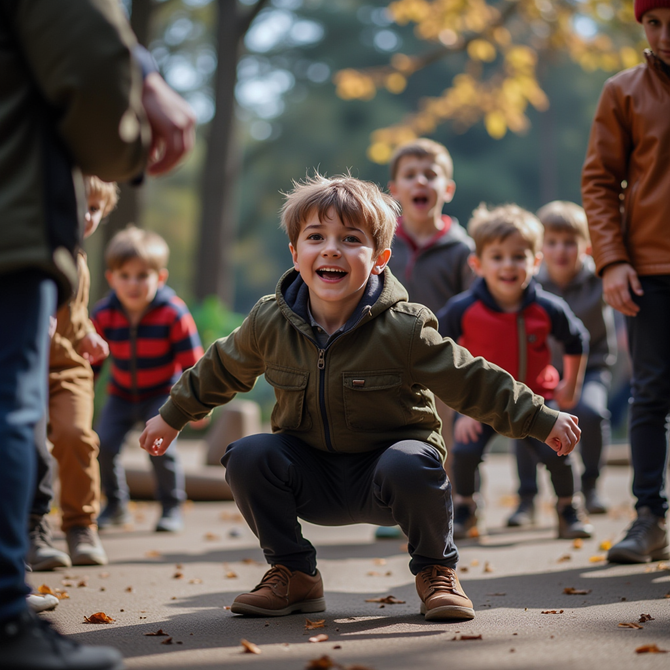
Strength training is no longer just for adults—it’s gaining recognition as a highly beneficial activity for children as well. Recent research highlights that age-appropriate strength training can help kids develop essential motor skills, prevent injuries, boost self-confidence, and support lifelong health. But keeping it fun and engaging is the key to making it effective!
At our Halloween Camps last week, we introduced themed exercises like **Broom Jumps** (squat jumps), **Zombie Walks** (lunges), **Spider Walks** (bear crawls), **Stir the Witch’s Cauldron** (plank with arm raises), **Mummy Kicks** (leg kicks), **Werewolf Burpees** (burpees), and **Vampire Sit-Ups** (with a Count Dracula twist!). Making the exercises playful not only kept the children smiling but also motivated them to do multiple sets, so they got a full workout while enjoying the process.
Why Kids Need Strength Training: Key Research-Backed Benefits
1. Strength Training Supports Bone Density and Muscle Development
According to a study published in the *Journal of Pediatrics*, moderate resistance training can improve both muscle and bone strength in children, particularly when exercises are fun and engaging. Studies show children who incorporate regular strength-based activities can increase bone density by up to 3% per year, helping prevent fractures and other common injuries as they grow. Additionally, children who build stronger muscles experience better posture and fewer strains as their bodies develop.
2. Improves Motor Skills, Coordination, and Academic Performance
A *British Journal of Sports Medicine* review found that strength training exercises improve children’s motor skills by enhancing balance, coordination, and agility. These exercises boost spatial awareness, which is crucial for various sports and physical activities. Furthermore, children who engage in regular physical activity—including strength training—have been shown to perform better academically, likely due to improved cognitive function and concentration.
3. Promotes Mental Health and Reduces Anxiety
According to recent research published by PLOS ONE, physical activity, including structured strength training, can help reduce symptoms of anxiety and depression in young people. The study notes that the fun, cooperative aspects of strength-based play build confidence and resilience, providing a natural outlet for stress relief. By incorporating games and themed activities, children are also more likely to develop a positive association with physical activity, encouraging healthy habits into adulthood.
4. Encourages Healthy Weight and Supports Long-Term Health
Childhood obesity rates have been a growing concern in the UK, but strength training can help combat this. Studies from *The Lancet* indicate that children who participate in age-appropriate strength training are more likely to maintain a healthy weight, reduce body fat, and develop strong cardiovascular health. Developing strength and muscle mass early on can also positively affect metabolism, making it easier for kids to stay active and healthy as they grow.
Making Strength Training Fun: The Halloween Approach
At our Halloween Camps, each exercise had a spooky twist to capture the kids’ imaginations while helping them develop core strength and coordination. Here’s a breakdown of some favourite themed activities and how they helped:
- Broom Jump (Squat Jumps): Children developed explosive strength in their legs with broomstick jumps.
- Zombie Walks (Lunges): Lunging around as zombies strengthened their quads and glutes.
- Spider Walks (Bear Crawls): Crawling like spiders worked their core, shoulders, and coordination.
- Stir the Witch’s Cauldron (Plank with Arm Raises): Holding the plank position while stirring an imaginary cauldron strengthened their core and shoulders.
- Mummy Kicks (Leg Kicks): These kicks targeted lower abdominal muscles.
- Werewolf Burpees (Burpees): By pretending to howl like werewolves, burpees became a fun cardio and strength exercise.
- Vampire Sit-Ups (Sit-Ups): Counting like Count Dracula added laughter while they worked on their core strength.
Engaging Kids with Creativity and Themed Exercises
Kids naturally love to play, so incorporating creative, themed exercises into workouts engages them in a way that traditional exercises might not. This approach encourages them to do multiple sets enthusiastically and builds excitement for each session. Themed exercises also encourage imagination, teamwork, and laughter, making workouts feel like play rather than “exercise.”
Why Not Try Our CORE Kids Club?
If you’re interested in bringing this fun approach to fitness into your family’s life, why not try our CORE Kids Club two-week free trial? Our club offers enjoyable workouts for the whole family, designed to build strength, coordination, and confidence through creative exercises. Get started by sign up HERE
By keeping strength training fun and accessible, we’re not only supporting kids’ growth and development but also helping them develop a love for physical activity that can last a lifetime.