Is Your Child Doing Too Much Sport Too Soon? Understanding Burnout in Young Kids
"Too Much Too Soon": Why Young Kids Are Burning Out in Sport

Is Your Child Doing Too Much Sport Too Soon? Understanding Burnout in Young Kids
I’ve been asked to give a presentation to a local football club who are starting to see burnout in their young players.
One of those players is actually my partner’s son. At just 11 years old, he was playing three different sports and playing up an age group in each—six teams in total. After talking with him and his coaches, we made the decision for him to play only with his own age group. He had started complaining of tight hamstrings and sore glutes—pain that should never happen to a child who hasn’t even hit puberty.
If this is happening to your child, please take action now. No matter how good you think they are, if you don’t help protect their body and their joy for sport, they won’t be playing for much longer. No child should have an overuse injury, and no child should be called “elite” before puberty.
The Hidden Risks of Overdoing It
Organised sport is now beginning earlier than ever. Children as young as 4 are training multiple times a week, playing in competitive matches, and juggling several sports. While activity is essential, this level of structure and pressure is replacing something children desperately need: free play.
Unstructured play is where kids learn to take risks, develop socially, regulate emotions, and recover mentally and physically. Without it, they’re more likely to experience stress, anxiety, injuries, and lose interest in sport altogether.
What the Research Says
-
The World Health Organisation recommends at least 60 minutes of moderate to vigorous activity per day for kids aged 5–17. This just isnt through sport.
-
70% of children drop out of organised sport by age 13 (Aspen Institute, 2022).
-
Overuse injuries account for 50% of sports injuries in children aged 6–12 (American Academy of Pediatrics).
-
Early sport specialisation is linked to higher rates of burnout, injury, and mental health issues.
What Parents Can Do
-
Prioritise sleep and recovery. Most primary-age kids need 9–11 hours of sleep a night.
-
Reduce screen time, especially before bed, to help their bodies recover and refuel.
-
Watch for warning signs like chronic soreness, fatigue, mood swings, or sudden disinterest in training.
-
Encourage variety and fun. Let kids be kids. The goal is not medals—it’s long-term movement and enjoyment.
What Coaches Can Do
-
Rest a child instead of risking them. Rest is more important than winning an U12 match. Put your ego aside—it’s not about you.
-
Take training to the park. Ask parents to drop the kids off at the local green space and just let them play.
-
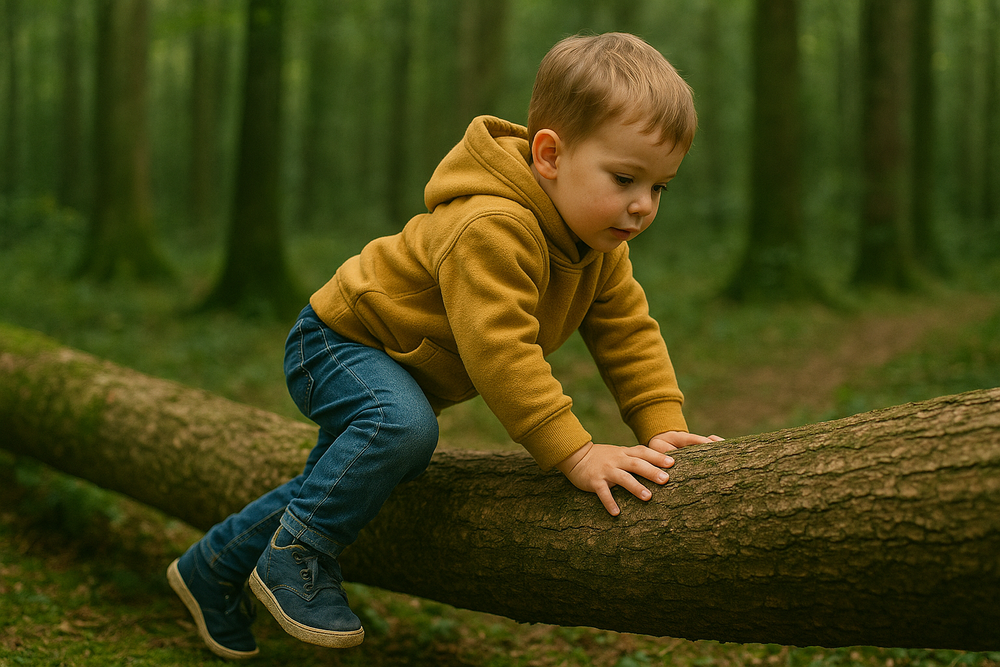
Let them climb trees, play tag, invent games, pick teams, and solve problems on their own.
-
Bring some equipment, but don’t control the session. Step back. Observe. That’s where the real growth happens.
If we want our children to have long, happy, healthy sporting lives, we need to slow down and let them grow on their own terms.
Let them play. Let them rest. Let them fall in love with movement without pressure. Because no trophy, league title, or “elite” label is worth sacrificing their body, their joy, or their future.